COTTINGHAM RANGERS – ASTHMA POLICY & CLUB COMMITMENT
Purpose
This policy sets out clear guidelines for supporting players with asthma and ensuring their safety and well-being during training sessions, matches, and all club activities.
Policy Statement
Cottingham Rangers is committed to safeguarding the health of every player. We recognise that asthma is a common condition that may affect some of our players, and we are dedicated to providing the appropriate care, support, and awareness to help them participate safely and confidently in football.
Guidelines
Emergency Action Plan
The club will maintain a clear Emergency Action Plan (EAP) for responding to asthma attacks during training and matches. The EAP will outline:
- Who is responsible for administering or assisting with emergency medication
- Where emergency medication will be stored or accessed
- Contact information and procedures for reaching emergency medical services
- The communication process for informing parents/guardians in the event of an incident
Medical Information
- All players must provide up-to-date medical details, including any asthma diagnosis.
- A copy of each player’s Asthma Action Plan must be shared with the club and securely stored.
- Parents/guardians must notify the club of any changes to the player’s condition or treatment.
Medication Use
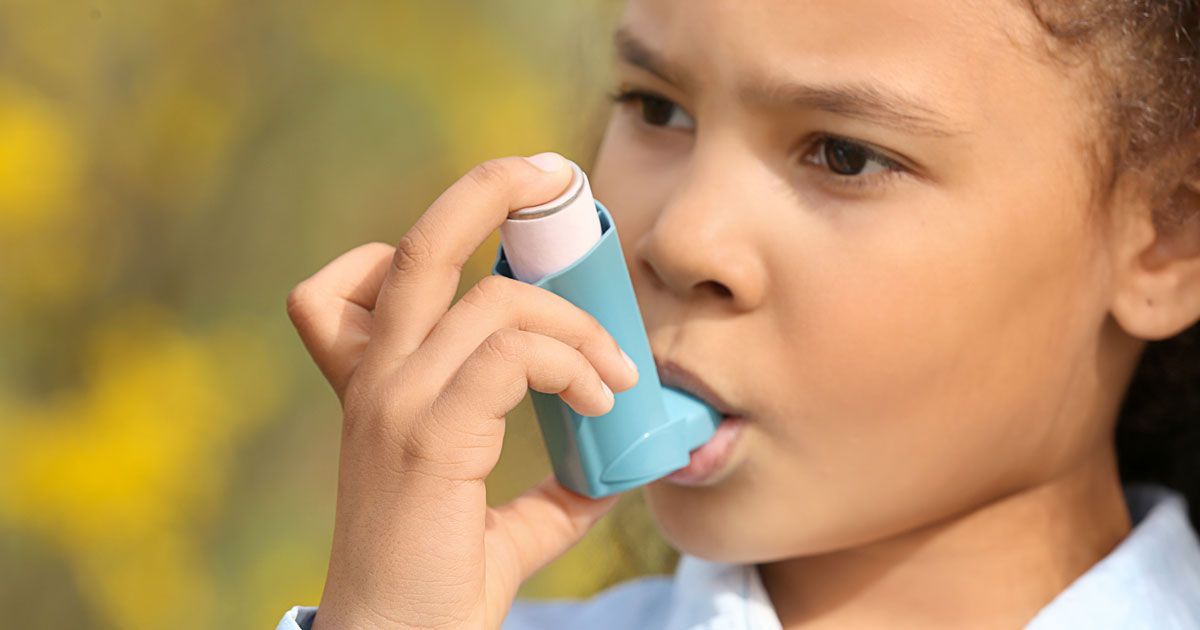
- Players with asthma are allowed to carry their own medication, including reliever (blue) inhalers, during all club activities.
- Medication must be authorised in writing by the player’s healthcare provider.
- A copy of the player’s Asthma Action Plan must be on file before a player carries medication at sessions.
Education and Awareness
Cottingham Rangers will ensure that:
- Coaches receive basic training in recognising asthma symptoms and responding to asthma attacks.
- Players and parents are informed about the importance of asthma management, including early symptom recognition and medication use.
Environmental Considerations
The club will:
- Monitor weather conditions, air quality, and other environmental factors that may trigger asthma symptoms.
- Adapt training intensity or relocate sessions if conditions pose a risk to players with asthma.
Communication
The club will maintain open and proactive communication with players, parents/guardians, and healthcare providers. Any change in a player’s asthma status or medication should be shared with the club as soon as possible.